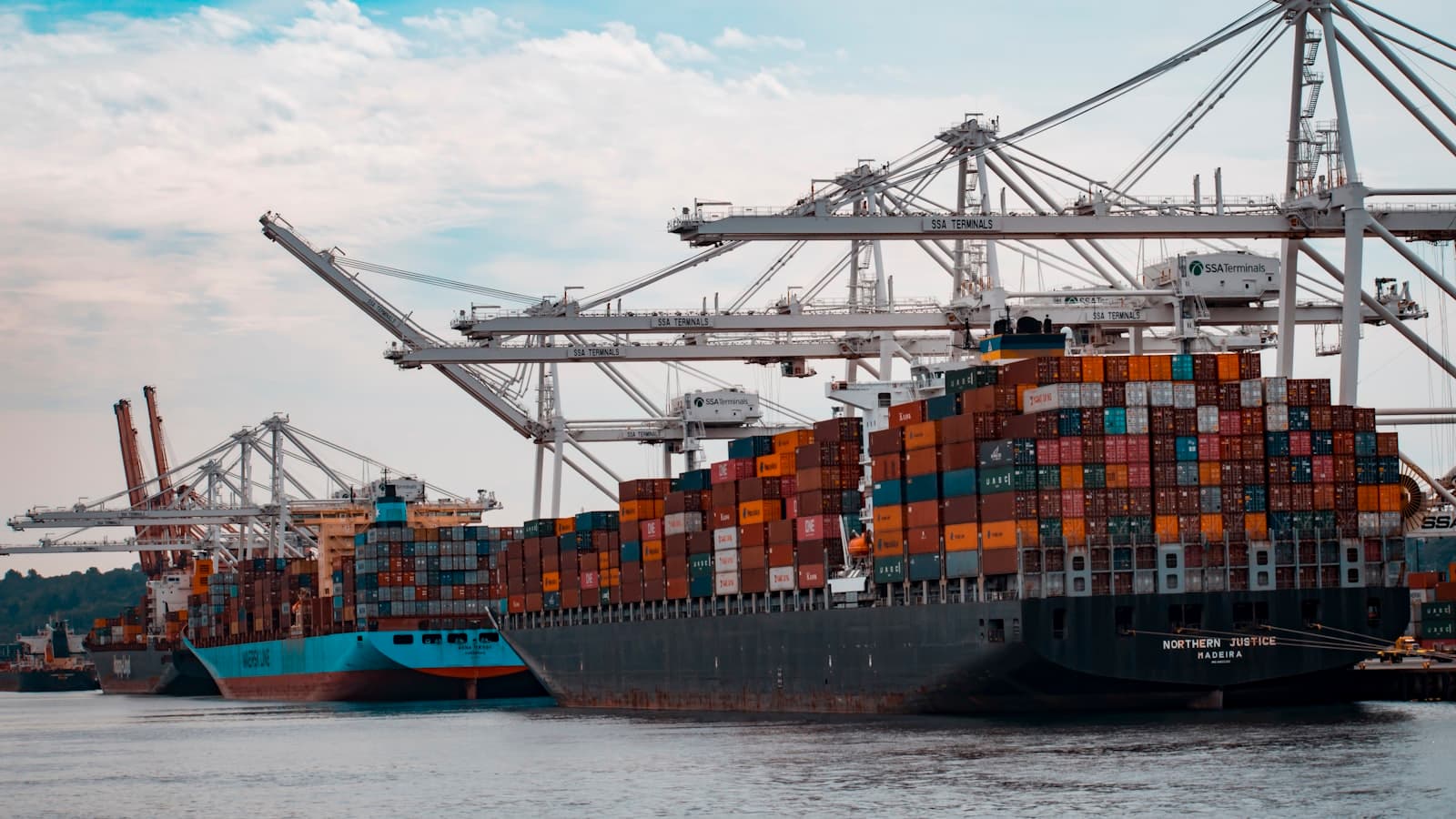
Panama Canal Lifts Neopanamax Draft to 49 Feet and Adds a Tenth Daily Slot, But Only the Reservation Holders Benefit
The canal authority is easing the drought limits it tightened in August, yet it is telling shippers that a confirmed booking is still the only way to guarantee a crossing date.
The Panama Canal Authority announced on Sept. 28 that it is raising the maximum authorized draft in the Neopanamax locks from 48 feet to 49 feet (14.94 meters), effective immediately and until further notice. It also said it will add a tenth daily Neopanamax slot starting Oct. 15, lifting total daily capacity to 33 transits, according to the authority's announcement and its Advisory to Shipping ADV-36-2026 on Neopanamax booking slots, draft and the reservation system.
The authority credited close-to-average rainfall on the watershed in September and water-saving measures at the locks. It did not describe the drought as over. It said vessels without a reservation may face indefinite delays, and that it would keep monitoring water conditions and communicate further adjustments.
What the numbers add up to
The slot arithmetic is easier to follow against the August restrictions. Under Advisory A-29-2026, the authority cut Neopanamax slots to nine a day from Aug. 21 and Panamax slots to 25, then to 23 from Sept. 1. That advisory attributed the cuts to cumulative watershed rainfall running 34% below the historical average and inflows 44% below average across May to August 2026. Nine Neopanamax plus 23 Panamax is the 32 daily transits that have applied through September.
The new 33-slot total is therefore a one-slot gain, and it all lands in the Neopanamax locks. A Newsroom Panama report on the notice breaks the 33 into 10 Neopanamax slots, 18 Panamax-Super slots and five Panamax-Regular slots, and says one slot in each category is auctioned while the rest are reserved. The Panamax figures match what was in place after Sept. 1, which means the Panamax side has not been restored.
The draft change follows a stop-start sequence. A-29-2026 postponed two scheduled draft moves, and on Sept. 4 the authority announced it would hold 48 feet rather than step down to 47.5 feet on Oct. 1, saying it wanted to give customers continuity for voyage planning. Twenty-four days later it went the other way, to 49 feet. In four weeks the planning assumption has moved from a possible cut to a one-foot gain.
FreightWaves, which first flagged the story in its coverage, reported that each foot of draft restriction costs roughly 450 TEUs of cargo on a 10,000-TEU vessel. That figure is FreightWaves' and was not verified against the authority's documents. Read at face value, it means a fully loaded large Neopanamax ship can carry meaningfully more per transit now than it could in August, without any additional slot.
What this means for forwarders and brokers
The advisory language points to a reservation-driven market rather than a free-for-all. Four points are worth working through.
Capacity is thin at the margin. One extra Neopanamax slot a day, from Oct. 15, is about 31 additional transits over a 31-day month against September's schedule. That is real for the container, LNG and vehicle carriers that use the big locks, but it is not a return to the pre-drought schedule. Anyone quoting all-water US East Coast and Gulf routings from Asia should treat it as modest relief and not assume transit-time normalization.
Booking status is the differentiator. With the authority repeating that a reservation is the only guarantee, carriers that hold slots will keep their schedules, and carriers without them will not. Ask for the carrier's canal reservation status on the specific string being sold, particularly for cargo with delivery windows.
Draft helps the largest ships first. A foot of draft only matters to vessels loaded deep enough to be constrained by it. Expect the benefit to show up as fewer forced partial loads on heavy Asia-USEC services, which could ease equipment and space pressure at origin. It could also cut either way: more boxes per ship can mean lower per-box costs, but carriers may also keep pricing to the slot scarcity.
The change is reversible. The draft increase applies "until further notice," and the authority has moved this limit up and down several times since August. Contract language that assumes 49 feet for the whole winter is a risk. Watch the authority's monthly operations summary and any new advisory as the dry season approaches.
Seven Stars Content Team
The Seven Stars content team files the daily logistics report from Los Angeles, covering ocean, air, road and customs for shippers and forwarders moving freight through the San Pedro Bay ports and the transpacific lanes.