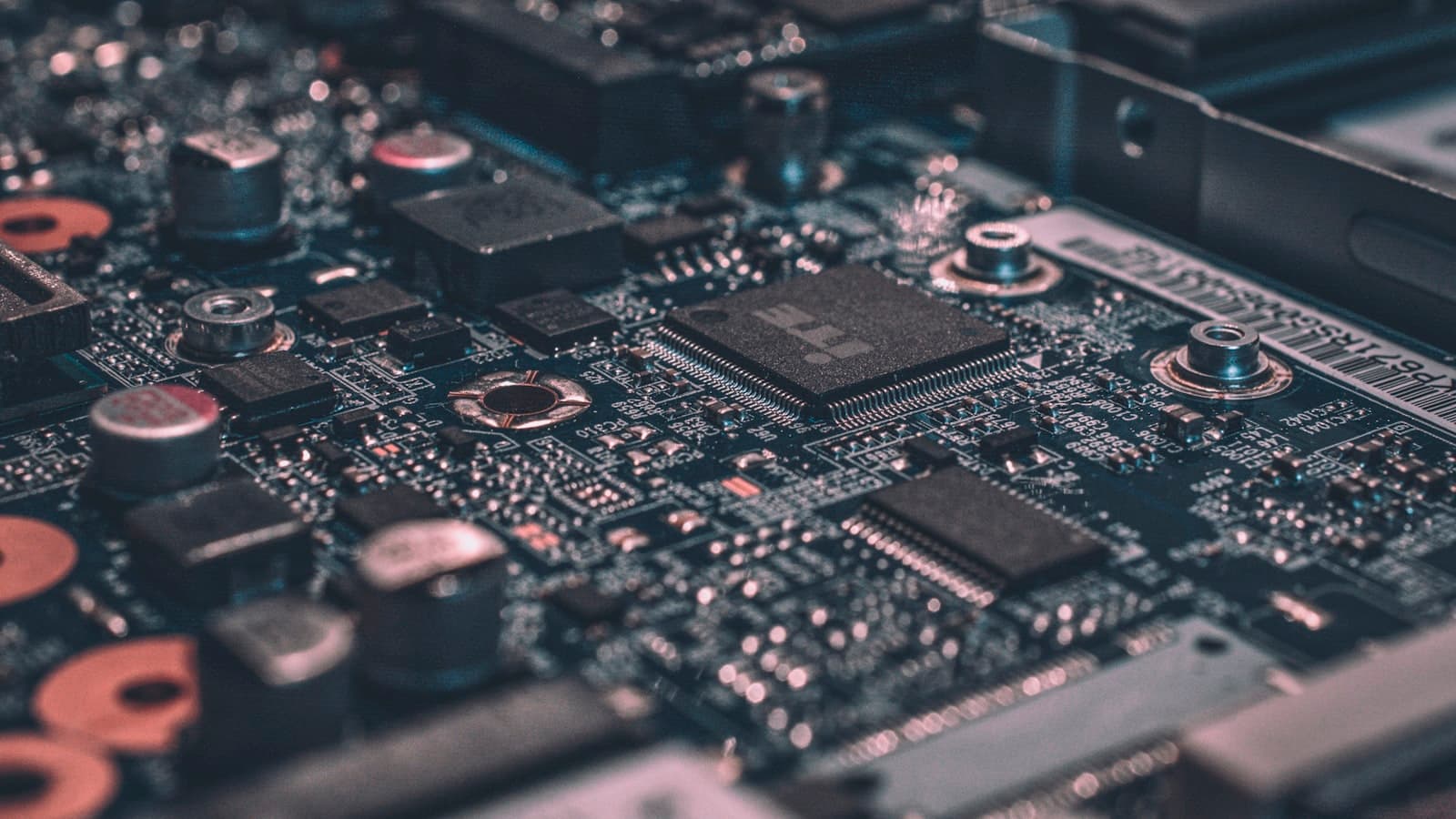
Kodiak Becomes First Driverless-Truck Company to Put AMD EPYC Chips in Its Compute Stack
The seventh-generation Kodiak Driver will lean on AMD's server-grade processors to aggregate LiDAR, camera and radar data — a hardware pairing that's new to autonomous trucking, even if the underlying chip isn't new to AMD.
Kodiak AI and AMD announced Aug. 26, 2026 that Kodiak's next-generation autonomous truck platform will run on AMD EPYC Series server processors, according to Kodiak's own press release. Kodiak says it's the first company to deploy AMD EPYC chips in driverless-trucking hardware, using them in the seventh-generation Kodiak Driver to aggregate sensor data and preprocess LiDAR, camera and radar inputs feeding the truck's path-planning system.
Kodiak founder and CEO Don Burnette credited AMD with delivering "performance, scalability and efficiency required for advanced autonomous driving applications." AMD's Wayne Lyons, Senior Director of the company's Automotive Market group, framed the deal as a proof point for AMD's push into what he called "physical AI" — computing embedded in autonomous machines rather than data centers. Neither company's release discloses the commercial terms of the arrangement or a specific dollar figure attached to the chip supply relationship.
The compute upgrade lands as Kodiak is scaling its commercial operations. The company's second-quarter 2026 results, distributed via GlobeNewswire, reported seven additional driverless trucks deployed during the quarter, bringing Kodiak's customer-owned driverless fleet to 35 vehicles and cumulative paid driverless operation past 40,000 hours — the trucks currently run routes in the Permian Basin. AMD's own newer EPYC-generation processors, per publicly available product specifications, carry meaningfully higher clock speeds and PCIe lane counts than the prior generation, though neither the Kodiak nor AMD release attaches a specific model number or benchmark figure to the chips actually shipping in the Kodiak Driver — a gap worth noting for anyone trying to independently size the performance claim.
Independent trade coverage from The Trucker, Truck News and Investing.com confirms the partnership and the "first EPYC deployment in driverless trucking" framing without adding financial terms. HPCwire's AIwire vertical, covering the announcement from the compute-industry side rather than the trucking side, places it in the context of AMD's broader push to win design slots in autonomous-vehicle and robotics hardware, a market AMD has been vocal about targeting as a growth vector beyond its core data-center and PC chip business.
What this signals for shippers evaluating autonomous capacity
A chip-supplier announcement is one step removed from anything that shows up in a freight bill, but it's a real signal for anyone tracking when driverless trucking capacity becomes something they can actually book.
This is a supply-chain hardening move, not a capacity announcement. Nothing here adds trucks to Kodiak's fleet or changes the 35-vehicle count reported for Q2. What it does is diversify Kodiak's compute supply away from whatever it used in prior-generation Drivers — worth watching for whether it also signals better unit economics per truck, since compute hardware is one of the larger fixed costs in an autonomous truck's bill of materials, and a more efficient chip at similar cost could improve Kodiak's per-mile economics as it scales past 35 vehicles.
The Permian Basin concentration still defines Kodiak's near-term addressable freight. A shipper or 3PL evaluating Kodiak as a capacity option should note that 40,000-plus operational hours and the current fleet are concentrated on Permian Basin routes — this compute upgrade doesn't by itself signal an imminent lane expansion. Watch Kodiak's next quarterly update for whether the new hardware coincides with a stated new-lane or new-region announcement, which would be the actual capacity signal.
Compute partnerships are a leading indicator worth tracking across the autonomous-trucking field generally, not just for Kodiak. As AMD, Nvidia and other chipmakers compete for design wins in autonomous-vehicle hardware, the pace and specificity of these announcements — model numbers, benchmark data, unit costs — is itself a rough proxy for how close a given AV trucking company is to real scale versus still iterating on hardware. This announcement's lack of specific chip-model and cost detail suggests Kodiak is still in an early integration phase with this particular hardware generation.
Seven Stars Content Team
The Seven Stars content team files the daily logistics report from Los Angeles, covering ocean, air, road and customs for shippers and forwarders moving freight through the San Pedro Bay ports and the transpacific lanes.