NYC Commits to $4 Billion, 10-Year Rebuild of BQE Central — With Two Truck Bypasses to Keep 13,000 Daily Trucks Moving
Mayor Mamdani's plan finally sets a start date for fixing the triple cantilever, but construction doesn't break ground until 2030 — and the interim capacity plan is two new elevated roads.
New York City has a start date, a price tag and a traffic-management plan for rebuilding the most structurally troubled stretch of the Brooklyn-Queens Expressway. Mayor Zohran Mamdani and NYC Department of Transportation Commissioner Mike Flynn announced Aug. 24 that the city will rehabilitate the roughly 1.5-mile, city-owned "BQE Central" section between Atlantic Avenue and Sands Street — home to the triple cantilever — in a roughly $4 billion, 10-year project, with an environmental review beginning this fall and groundbreaking targeted for 2030. The announcement is laid out in the Mayor's Office press release.
Why this is a freight story, not just a local-infrastructure one
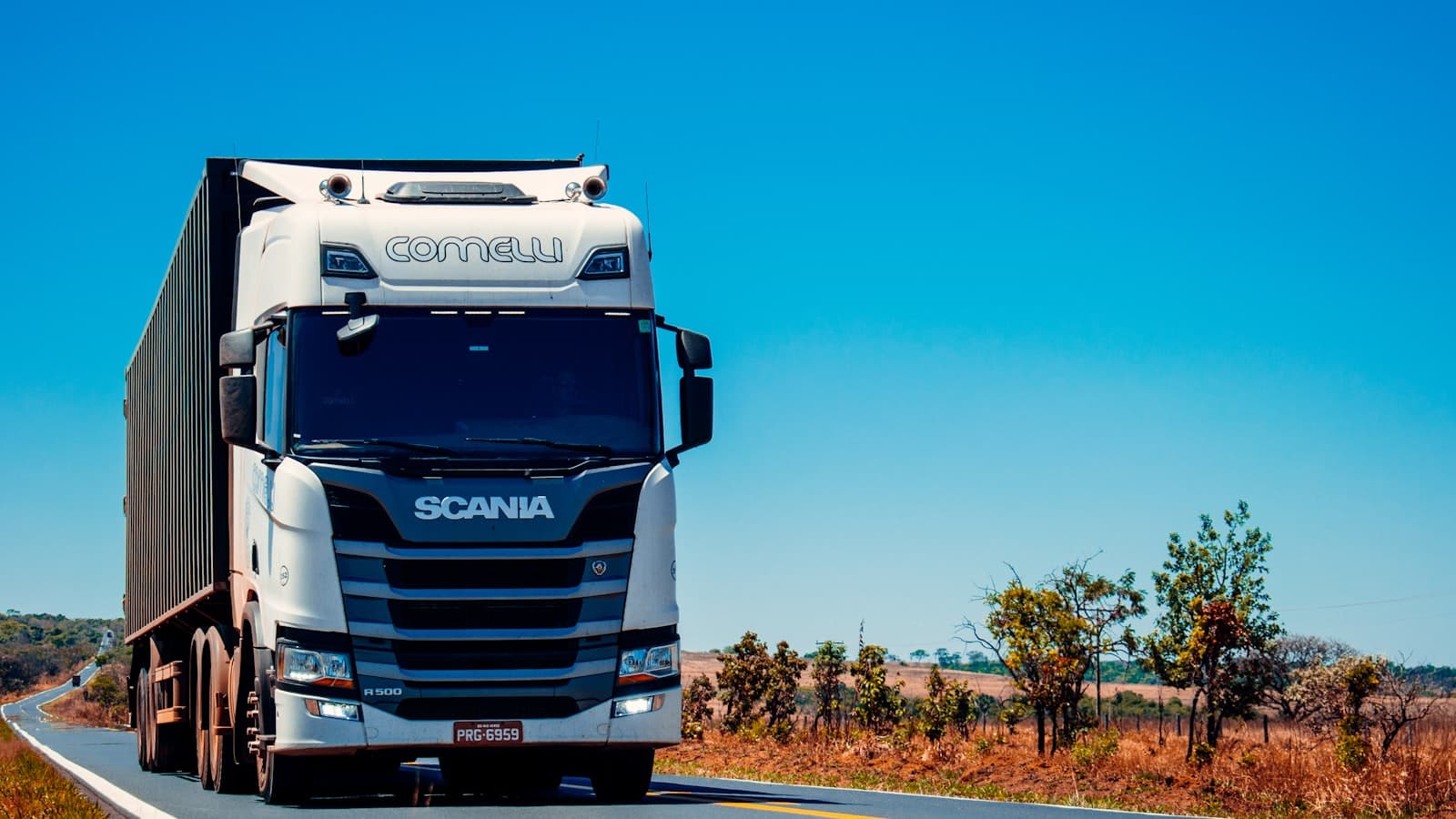
BQE Central carries about 130,000 vehicles a day — more than double the volume it was built for — and roughly 13,000 of those are heavy-duty trucks, a routing artery for drayage moving between Brooklyn, Queens and the rest of the region. The structure is 20 years past its design life; the city puts the cost of continued inaction, in the form of accelerating deterioration and eventual emergency closures, at $160 million a year. Deputy Mayor Julia Kerson framed the stakes for the road network beyond the BQE itself: without the rehabilitation, she said, "more and more cars and heavy trucks will be forced onto local streets" as the structure weakens.
Trucking Association of New York Vice President for Government Affairs Zach Miller welcomed the commitment, telling FreightWaves the group "applaud[s] the administration's commitment to this." TANY's interest is straightforward: any BQE closure or capacity loss redistributes truck volume onto Brooklyn and Queens surface streets, adding time and cost to every drayage move that currently uses the highway.
The capacity plan is two temporary elevated roads
The city's traffic-management strategy for the decade of construction is not a detour onto existing streets — it's two new, purpose-built bypass structures. The first is a two-level structure running along Furman Street from Atlantic Avenue to Columbia Heights; the second is an elevated structure continuing from Columbia Heights over the Brooklyn Bridge approach to the Manhattan Bridge. Neither bypass's capacity, in vehicles or trucks per day, nor its own construction timeline relative to the main project's, was specified in the Aug. 24 announcement — a gap worth tracking, since the bypasses are what determines whether truck volume actually stays off local streets during the rebuild rather than just shifting there for a period before the bypasses open.
The rehabilitation itself is expected to add 40 years to the structure's service life once complete. Process-wise, the city's Environmental Quality Review begins this fall, with an environmental impact statement targeted for completion by summer 2028 — meaning the 2030 groundbreaking date sits roughly 18 months past the EIS, a normal but not guaranteed runway for a project of this scale to stay on schedule.
What a drayage planner should track from here
Three things in this announcement are the actual planning inputs, as distinct from the political framing.
First, nothing changes on the ground before 2030. This week's announcement is a funding and process commitment, not a construction start — the EIS alone runs into 2028, and even a smooth transition from EIS to groundbreaking leaves roughly two more years before crews are on-site. Drayage routing through BQE Central is unaffected for at least the next three-plus years.
Second, the bypass design — not the main rehabilitation — is the number to watch for capacity planning purposes. A two-level Furman Street structure and an elevated Columbia Heights-to-Manhattan Bridge span are substantial builds in their own right; when the city publishes lane counts, weight limits and a construction sequencing schedule for those two structures, that's the document that tells a drayage operator whether BQE Central capacity holds steady, drops, or shifts to local streets during the ten-year window — not the top-line $4 billion project number.
Third, the $160 million-a-year cost-of-delay figure the city is citing implies pressure to hold the 2030 date rather than let it slip further, which cuts against the risk of another multi-year postponement of a project that, as Mamdani noted, prior administrations have already delayed for decades.
Seven Stars Content Team
The Seven Stars content team files the daily logistics report from Los Angeles, covering ocean, air, road and customs for shippers and forwarders moving freight through the San Pedro Bay ports and the transpacific lanes.